
HVAC Mold Testing in Michigan: Causes, Inspection & Safe Removal
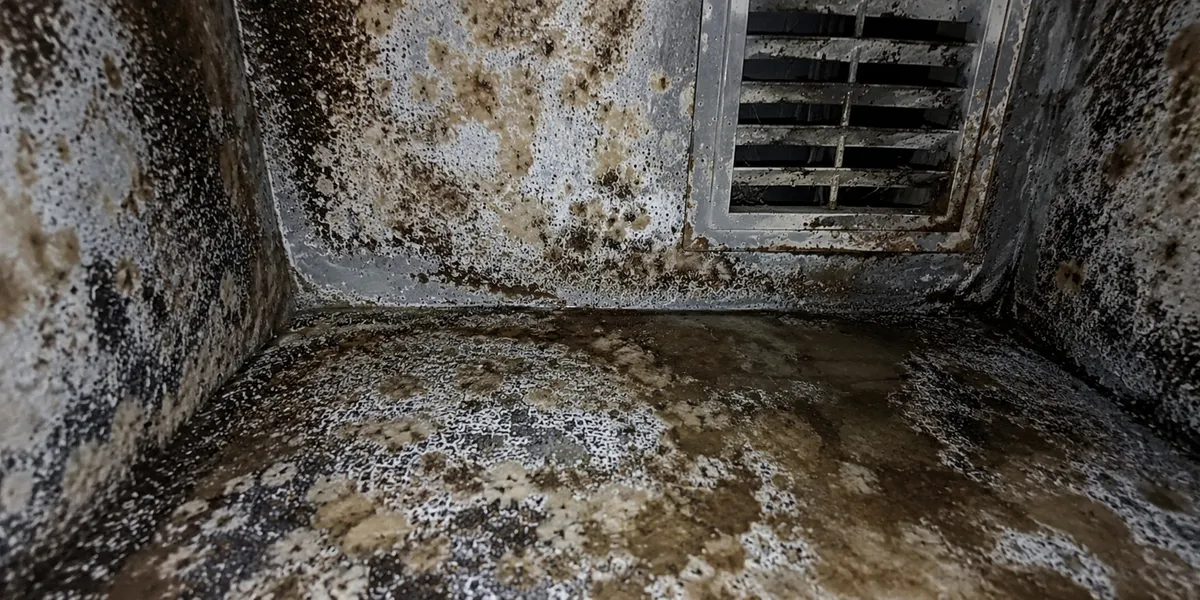
Your heating and cooling system touches every room in your home. When mold takes hold inside it, the same ductwork that keeps you comfortable can carry spores from one contaminated spot into every space the system serves. That is what makes mold in an HVAC system different from a patch of mildew in a bathroom corner. It is not confined to one wall. It moves.
This guide explains what causes mold to grow in HVAC systems, how to inspect for it, and how it is safely removed, drawing on guidance from the U.S. Environmental Protection Agency and the CDC's National Institute for Occupational Safety and Health.
Key Takeaways
- Mold in an HVAC system grows wherever moisture collects: cooling coils, condensate drain pans, duct liner insulation, and filters.
- The EPA advises turning a suspected system off, because running it can spread spores through the whole building.
- Moldy porous duct insulation cannot be cleaned. It has to be removed and replaced.
- Testing tells you whether mold is present, what type, and at what levels. A visual look alone cannot confirm it.
Not sure if what you're seeing is mold?
Snap a photo and get a free AI analysis in about 60 seconds — no appointment needed.
What Is Mold in an HVAC System?
Mold in an HVAC system is fungal growth that develops on the components that move and condition your air, most often on cooling coils, inside the condensate drain pan, on the insulation that lines ductwork, and on dirty filters. These are the spots where moisture and dust meet. Because the system distributes air throughout the building, the EPA warns that a mold-contaminated HVAC system should be turned off and left off until it has been addressed, since running it may spread spores through the whole home.
What Causes Mold in HVAC Systems?
Mold needs three things: moisture, a food source such as dust or organic material, and time. HVAC systems create all three. Controlling moisture is the single most effective way to keep mold out of air ducts, according to the EPA's mold guidance. Here are the moisture sources that most often lead to growth.
In Southeast Michigan, two seasonal patterns make these problems worse. Humid summers push air conditioners hard enough that condensation issues develop, and older or retrofitted systems in the region's mid-century housing stock were often not designed for today's cooling loads. Both create the damp conditions mold looks for. Our overview of mold testing in Southeast Michigan explains why local homes face elevated risk.
Signs of Mold in Your HVAC or Air Ducts
You usually notice the effects before you see the mold, because most of it grows out of sight. Watch for these signs:
- A musty, earthy smell that gets stronger when the system runs or when air first comes on.
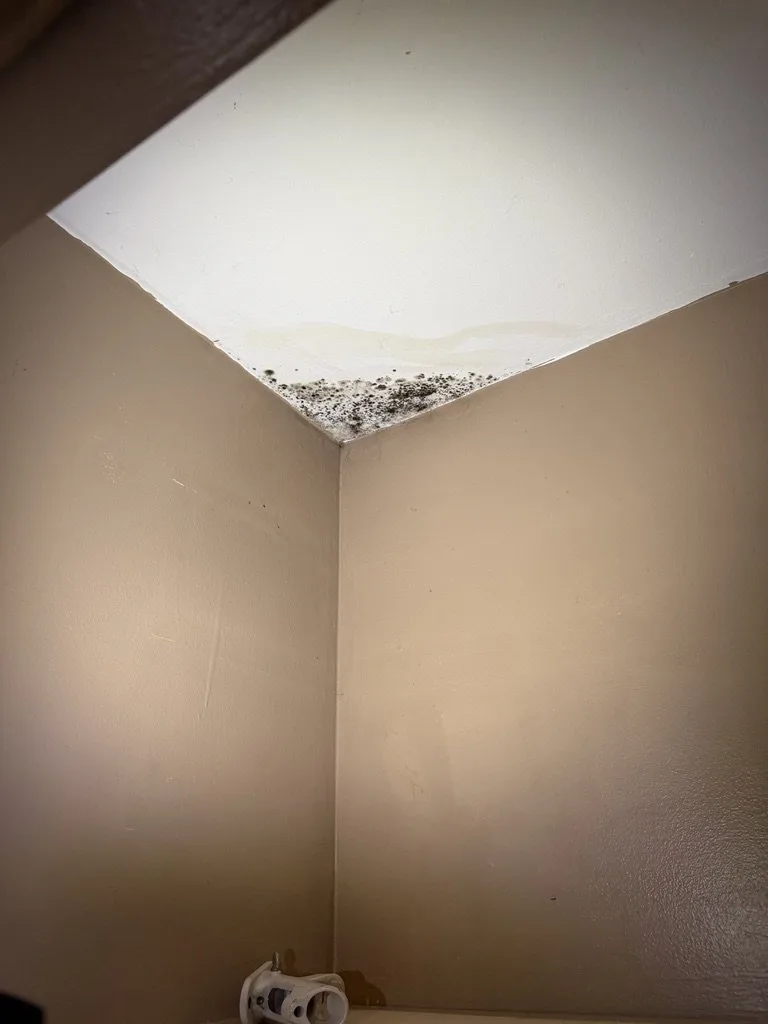
- Visible discoloration or fuzzy growth around supply vents, registers, or the air handler.
- Allergy or respiratory symptoms, such as sneezing, congestion, coughing, or headaches, that ease when you leave the house.
- A recent water event near the system: a condensate leak, a nearby pipe leak, roof or basement water intrusion, or flooding.
- Indoor humidity that regularly reads above 60 percent on a simple hygrometer.
These are clues, not proof. Symptoms overlap with ordinary allergies, and there are no federal health-based limits for mold in indoor air. As the CDC notes, spore counts only mean something when they are read alongside a moisture assessment, a visual inspection, and the building's history. That is why confirming mold takes sampling, not a guess. If you are unsure what counts as a real problem, our guide on the early signs of mold in your home breaks down the warning signs worth acting on.
Why HVAC Mold Is a Whole-House Problem
A mold problem behind a wall stays roughly where it started. A mold problem in your ductwork does not. The EPA is direct about this: mold in a ventilation system may be spread throughout the building, which is exactly why a contaminated system should be shut down rather than run. A single moldy drain pan or a stretch of wet duct liner can seed spores into every room on that zone.
How to Inspect an HVAC System for Mold
Inspection happens on two levels: a basic visual check you can do yourself, and a professional inspection that confirms whether mold is actually present and how far it has spread.
A Basic DIY Visual Check
- Turn the system off first. Do not run it if you suspect contamination.
- Look at supply vents and registers for staining, dark spotting, or fuzzy growth.
- Open the air handler or blower compartment and inspect around the cooling coil and the drain pan. Standing water or slime in the pan is a red flag.
- Pull the filter. If it is damp, discolored, or smells musty, that points to a moisture problem upstream.
- Note whether a musty odor appears when the system runs. Check indoor humidity with an inexpensive hygrometer and aim for 30 to 50 percent.
Wear an N95 respirator and gloves, and do not disturb heavy growth, which can release spores into the air. A DIY check can tell you something looks wrong. It cannot tell you what the growth is or how far it reaches.
What a Professional Mold Inspection Includes
A certified inspection is built to produce evidence, not a hunch. A thorough HVAC-focused inspection from Spore Shield typically involves:
- A full visual assessment of accessible HVAC components, registers, and surrounding surfaces.
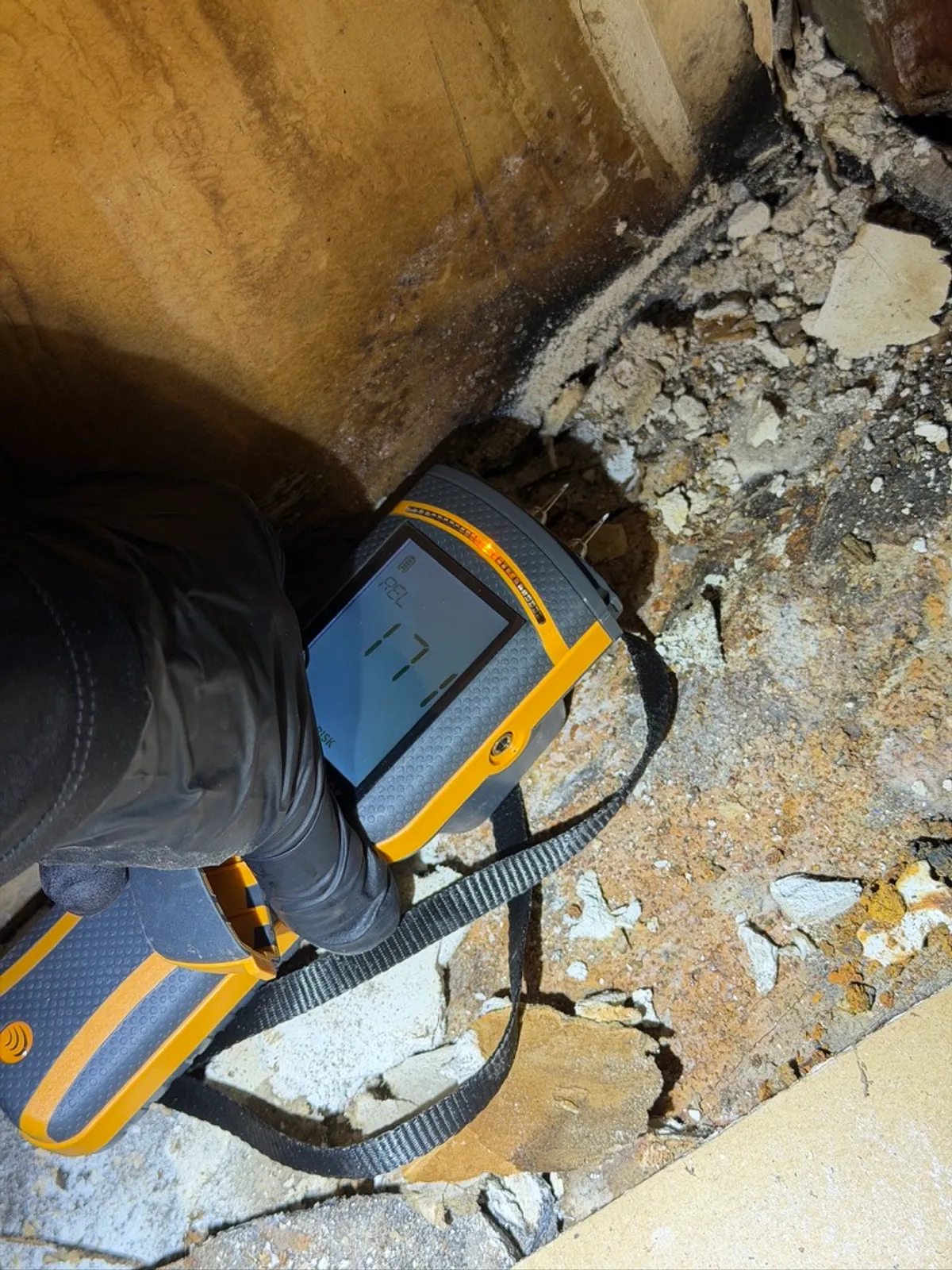
- Moisture mapping with Protimeter meters to find damp materials that feed growth.
- FLIR thermal imaging to locate hidden moisture and temperature anomalies around ducts and air handlers. Thermal cameras detect moisture, not mold itself, which is why imaging is paired with sampling.
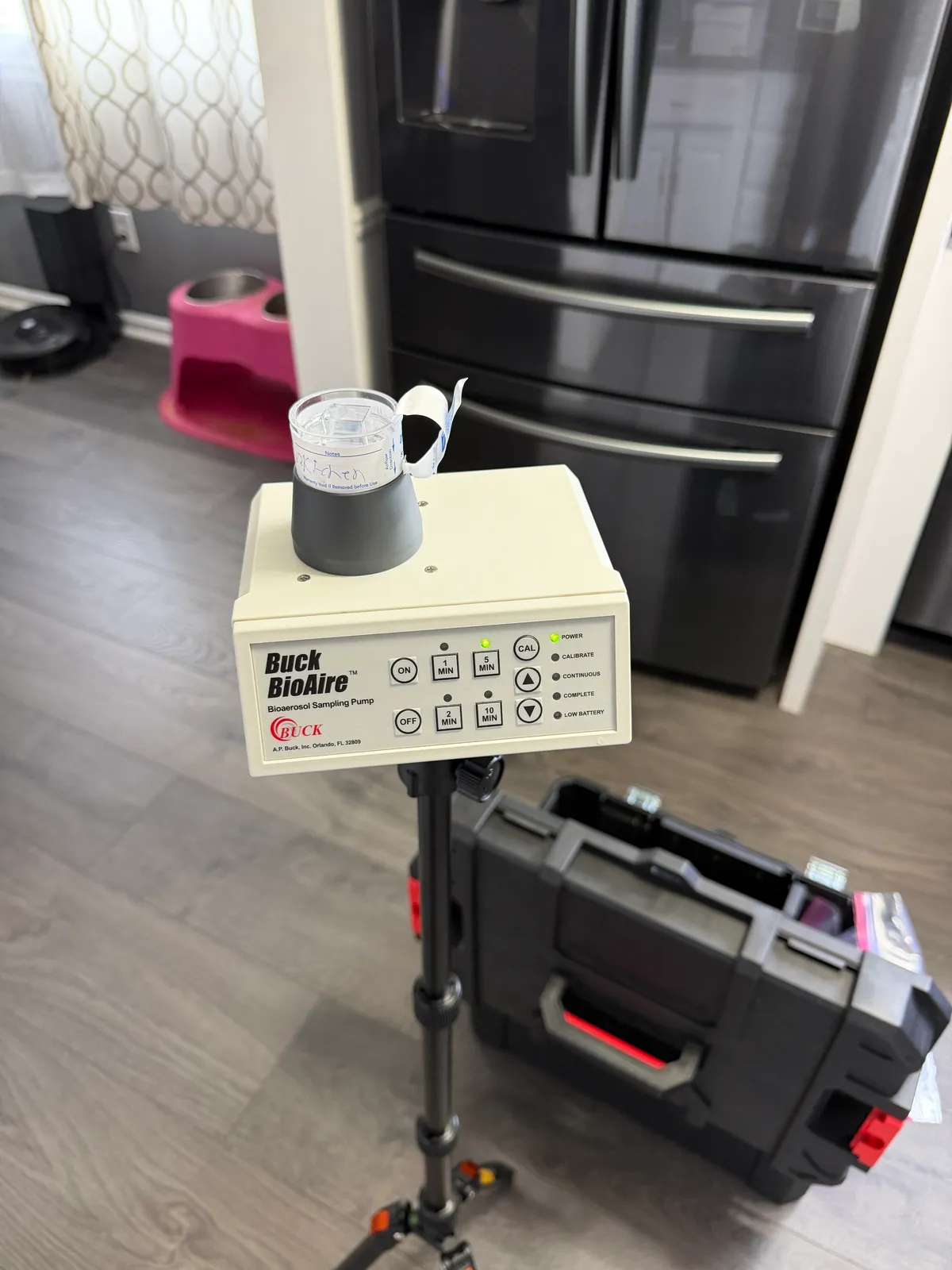
- Air sampling with a Buck BioAire pump and Air-O-Cell cassettes, comparing indoor spore levels against an outdoor baseline.
- Surface or tape sampling of any suspect growth for identification.
- Analysis by a certified third-party AIHA and NVLAP-accredited lab, with a defensible written report typically returned within 72 hours.
Our indoor air quality testing service page covers the equipment and method in detail. Not sure whether you need a full inspection yet? Spore Shield AI gives Southeast Michigan homeowners a free, instant read on their mold risk in about a minute, no lab visit required.
How to Clean and Remove Mold From an HVAC System
Removing HVAC mold is less about scrubbing and more about sequence. Skip the moisture fix and the mold comes back. Here is the order the EPA's guidance supports.
- Stop running the system. Running a contaminated system spreads spores through the building.
- Fix the moisture source first. Clear the drain, correct the pan slope, seal duct leaks, or address the humidity. Cleaning before the moisture is fixed only resets the clock.
- Clean small, hard, non-porous surfaces. A metal register or housing with light growth can often be HEPA-vacuumed, wiped with a damp cloth and detergent, and dried promptly.
- Replace moldy porous insulation. Wet or moldy duct liner cannot be cleaned effectively and must be removed and replaced. The EPA notes there are no antimicrobial products or biocides it has approved for use on lined ductwork.
- Bring in a qualified remediation professional for anything larger. The EPA recommends that HVAC mold remediation be handled only by professionals experienced with HVAC systems, often using containment and negative air pressure to keep spores from spreading during the work.
- Remove the mold, do not just kill it. Dead mold can still trigger allergic reactions, so surfaces have to be cleaned out, not simply treated.
Because Spore Shield only tests and never performs remediation, our findings are not tied to selling you a repair. Homeowners commonly use us twice: once to confirm and map the problem before work begins, and again for post-remediation clearance testing to verify the cleanup actually worked before the system goes back into service.
A quick note on duct cleaning: it can help remove dust and debris, but it does not fix the moisture that caused the mold, and it will not restore contaminated porous insulation. Before hiring a duct cleaner, it is worth reviewing the EPA's mold and moisture guidance so you know what cleaning can and cannot solve.
How to Prevent Mold in Your HVAC System
Prevention is almost entirely moisture management. The EPA's prevention guidance comes down to a short, practical list:
- Keep indoor relative humidity below 60 percent, ideally between 30 and 50 percent.
- Keep condensate drip pans clean, sloped toward the drain, and flowing freely.
- Change filters regularly and keep them dry.
- Seal and insulate ducts that run through unconditioned spaces so condensation does not form inside them.
- Fix leaks and dry any wet spots within 24 to 48 hours, the window before mold typically takes hold.
- Schedule routine HVAC inspections and maintenance so small issues are caught early.
When to Get Professional Mold Testing
Consider certified testing when:
- Water has leaked near the system, or you have had roof, plumbing, or basement water intrusion.
- There is a persistent musty odor when the system runs.
- Someone in the home has unexplained allergy or respiratory symptoms that improve away from the house.
- You are buying or selling a home and want defensible, documented findings.
- You need to verify that a completed remediation actually cleared the problem.
For offices, restaurants, medical facilities, and multi-tenant buildings, where shared ventilation raises the stakes, our commercial mold testing covers additional sampling points and HVAC and duct inspection with insurance-grade documentation. Spore Shield serves homeowners across Southeast Michigan, including Royal Oak, Birmingham, Troy, and Bloomfield Hills.
Get Clear Answers About Your HVAC System
Spore Shield provides independent, certified mold testing and indoor air quality testing across Metro Detroit and Southeast Michigan, using FLIR thermal imaging, Buck BioAire air sampling, and a certified third-party lab. Results are typically back within 72 hours. Call (248) 955-2269 or request a free consultation to schedule.
Frequently Asked Questions
Clear answers to the questions Michigan homeowners ask most about mold in HVAC systems.
Can mold in an HVAC system make you sick?
Does duct cleaning get rid of mold?
Can I spray bleach or a biocide in my air ducts?
How much does HVAC mold testing cost in Michigan?
How do I know if it is actually mold and not just dust?
Test Your Home
Today!
Trusted by Michigan families, Spore Shield delivers fast, accurate mold testing. Pick a time online in minutes.
Book Your Inspection