
Mold is one of those household problems that tends to grow silently (hidden behind walls, beneath flooring, or in the corners of your basement) until it becomes a serious issue. Learning to spot the early warning signs can save you thousands in remediation costs and protect your family's health.
The Smell Test
Your nose is often the first line of defense. A persistent musty or earthy odor, even when you can't see anything, is one of the most reliable early indicators of hidden mold. If certain rooms or areas of your home smell off, don't ignore it.
Not sure if what you're seeing is mold?
Snap a photo and get a free AI analysis in about 60 seconds, no appointment needed.
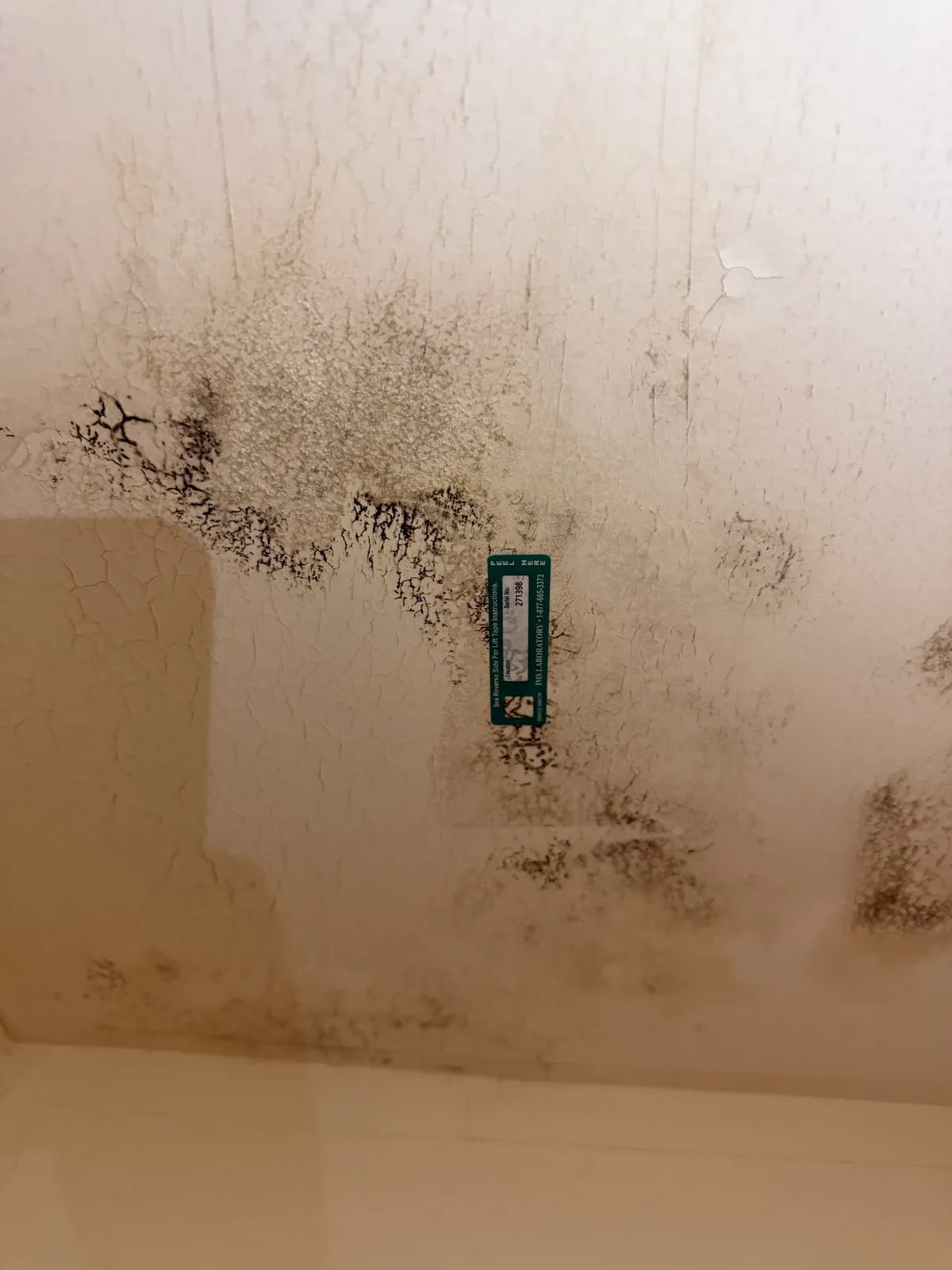
Visual Clues to Watch For
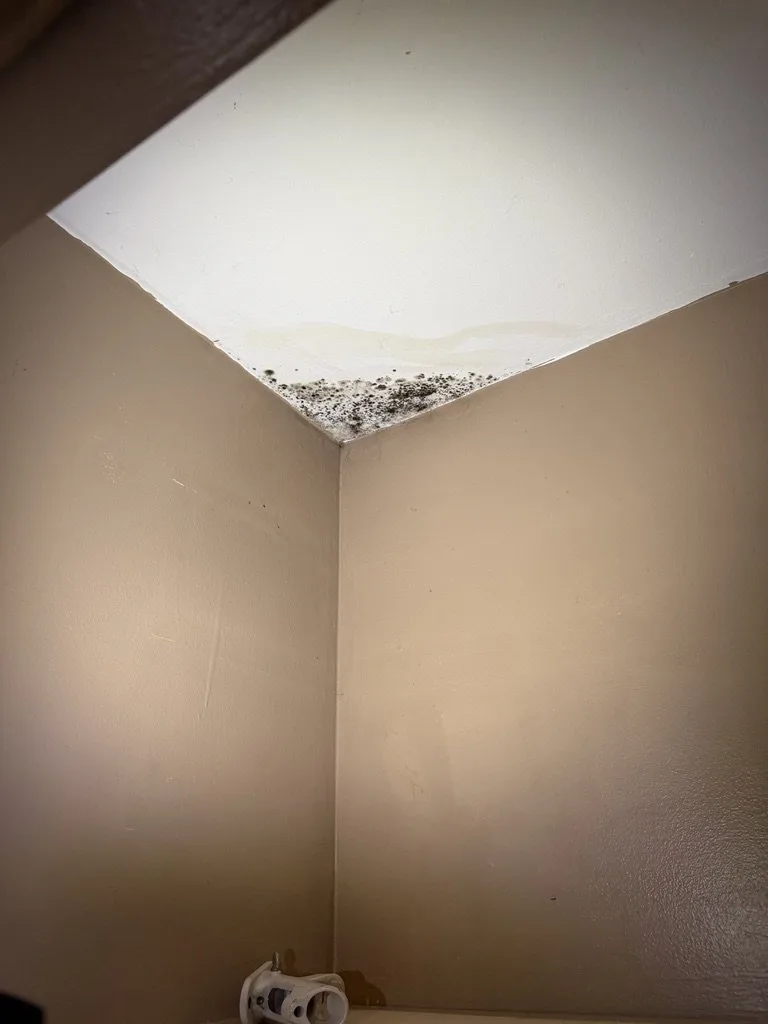
- Dark spots or discoloration on walls, ceilings, or grout
- Fuzzy or powdery surface growth, often black, green, or white
- Paint that is bubbling, cracking, or peeling
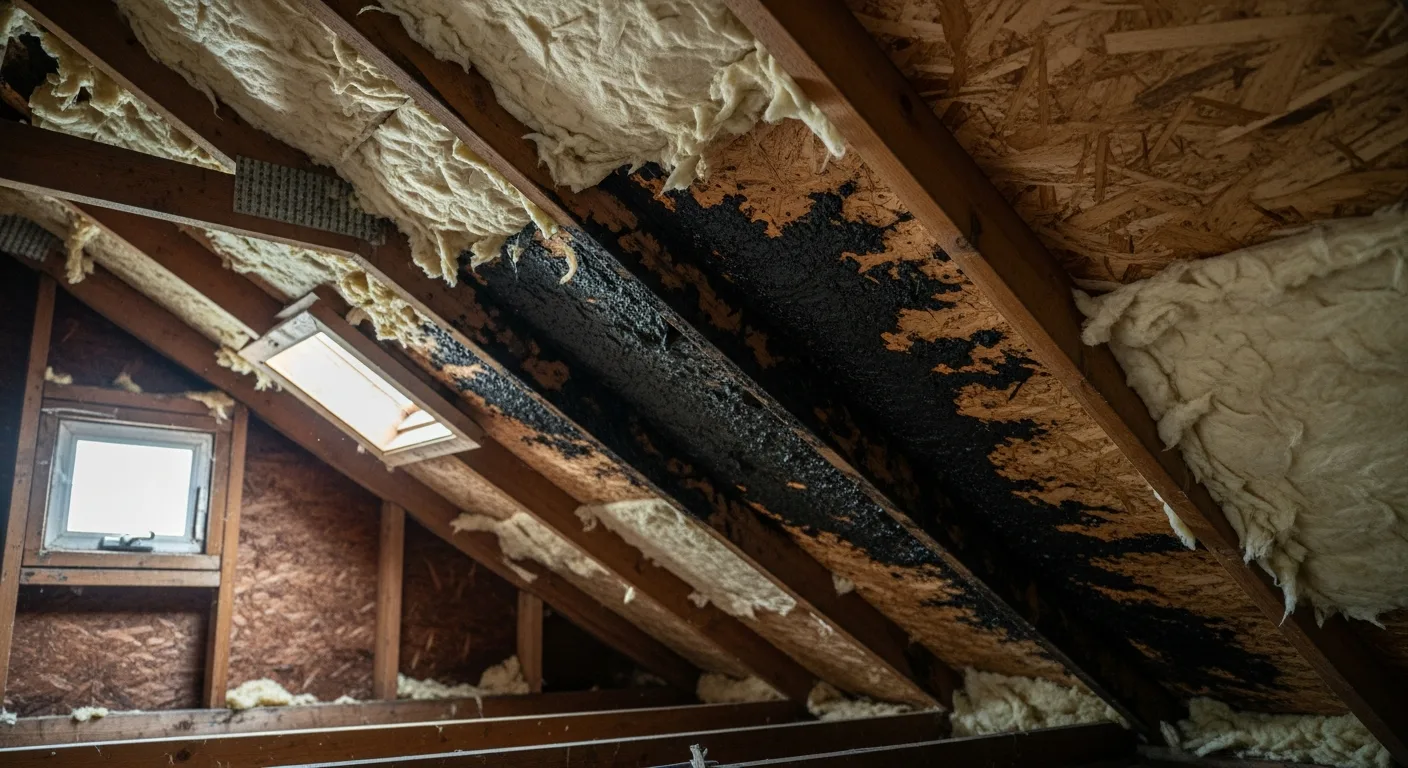
- Warping or staining on wood surfaces
- Rust-like stains around vents or HVAC components
Keep in mind that color alone tells you very little: many harmless molds look dark, and genuinely problematic growth is often hidden. Our guide on black mold health risks explains why you can't identify a mold problem by sight.
Health Symptoms as Warning Signs
Sometimes your body alerts you before your eyes do. Unexplained sneezing, coughing, watery eyes, or worsening asthma when inside your home can all point to a mold problem. These symptoms typically improve when you spend time away from the house.
These associations are well documented: the CDC mold facts page links indoor dampness and mold to respiratory symptoms and worsening asthma, especially in sensitive individuals.
High-Risk Areas in Your Home
Certain parts of your home are naturally more susceptible to mold growth. Check these areas regularly:
- Bathrooms and under sinks
- Basements and crawl spaces
- Around HVAC systems and ductwork
- Attics, especially near roof penetrations
- Behind refrigerators and washing machines
- Window sills and frames
Michigan's humid summers and freeze-thaw winters make these areas especially vulnerable: our overview of mold testing in Southeast Michigan explains why local homes face elevated risk.
Why Catching Mold Early Saves Money
Mold problems rarely stay small. Left alone, a minor moisture issue can spread through drywall, flooring, and HVAC systems, turning an inexpensive fix into a major remediation project. Our breakdown of the true cost of ignoring mold shows just how quickly those numbers climb, which is why acting on early signs is almost always the cheaper path.
When to Call a Professional
If you spot anything suspicious or experience unexplained health symptoms at home, don't wait. A professional mold inspection from Spore Shield will give you a definitive answer and a clear action plan. Early detection always leads to simpler, more affordable solutions.
Spore Shield provides certified indoor air quality testing across Oakland County, including Royal Oak, Birmingham, and Troy, with lab-backed results in 72 hours. Because we only test and never remediate, your report reflects exactly what's there.
Frequently Asked Questions
Straightforward answers to the questions homeowners ask most about spotting mold early.
What does early-stage mold smell like?
What are the first visual signs of mold in a home?
Can mold make you sick before you can see it?
Where does mold usually start growing first?
Should I test for mold if I only see a small spot?
Test Your Home
Today!
Trusted by Michigan families, Spore Shield delivers fast, accurate mold testing. Pick a time online in minutes.
Book Your Inspection