
Is Black Mold Actually Dangerous? What the Science Says
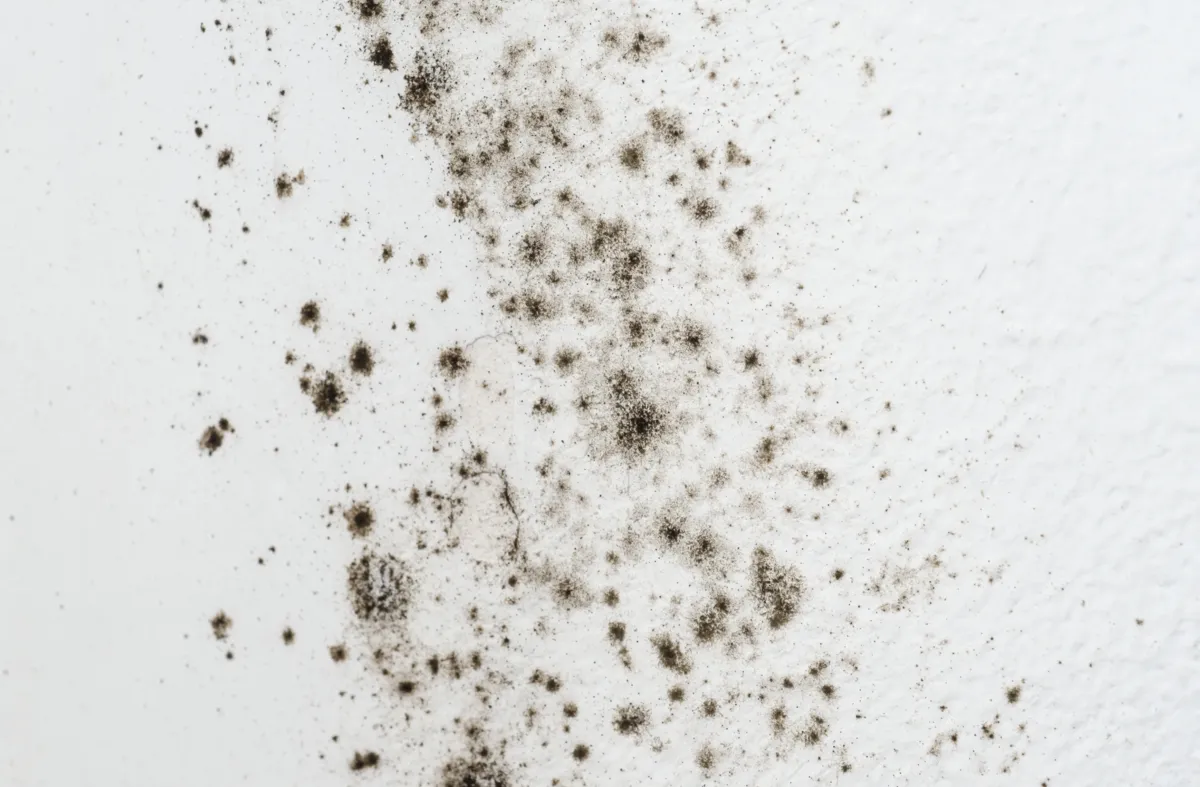
Search "black mold" and you will find headlines about toxic spores, poisoned homes, and worse. It is enough to make anyone with a dark spot on the basement wall panic.
Here is the calmer, more accurate version. Black mold can affect your health, and it is worth taking seriously. But it is not the silent killer the internet makes it out to be, and the color tells you far less than you think. Below is what the science actually supports, what it does not, and what to do if you suspect mold in your home.
First, what people mean by "black mold"
When most people say black mold, they mean a species called Stachybotrys chartarum. It tends to grow on water-damaged materials that are rich in cellulose, like drywall, ceiling tiles, and cardboard, which is why it shows up after leaks and flooding.
The catch is that many molds look dark, not just Stachybotrys. The most common indoor molds are Cladosporium, Penicillium, and Aspergillus, and several of those can appear black or dark green too. You cannot identify a mold species by looking at it. The color of mold does not reliably tell you how dangerous it is.
Not sure if what you're seeing is mold?
Snap a photo and get a free AI analysis in about 60 seconds — no appointment needed.
So is black mold dangerous? Here is what health agencies say
According to the CDC, exposure to damp and moldy environments may cause a range of health effects, or none at all. It depends heavily on the person.
For people who are sensitive to mold, common reactions include a stuffy nose, sore throat, coughing or wheezing, burning or itchy eyes, and skin irritation. People with asthma or a mold allergy can have stronger reactions, and mold can trigger asthma symptoms. The 2004 Institute of Medicine review found enough evidence to link indoor mold exposure to upper respiratory symptoms, cough, and wheeze in otherwise healthy people, to worse asthma symptoms in people who already have asthma, and to hypersensitivity pneumonitis in susceptible individuals.
The WHO 2009 Guidelines for Indoor Air Quality: Dampness and Mould reach the same conclusion and recommend avoiding indoor mold growth as a precaution. The takeaway: mold exposure is a real respiratory concern, especially for sensitive groups, but reactions vary widely from one person to the next.
Can black mold kill you?
This is the question driving most of the fear, so here is the straight answer.
The dramatic claims you have probably seen, that black mold causes things like infant lung hemorrhage, memory loss, or lethargy, have not been proven. The CDC states plainly that a link between these severe effects and molds, including Stachybotrys chartarum, has not been established, and that more research is needed. Stachybotrys can produce compounds called mycotoxins, and that is a legitimate area of study, but the headline-grade outcomes are not settled science.
So no, finding black mold in your home is not a medical emergency for a healthy person. It is a problem to fix, not a reason to panic.
Why the color matters less than the moisture
This is the part most articles bury. The CDC does not single out black mold as more dangerous than other indoor molds. Its guidance, like the EPA Brief Guide to Mold, Moisture, and Your Home, is the same regardless of color: if you can see or smell mold, remove it and fix the moisture source.
Mold is a moisture problem first. It grows wherever water sits, around roof and window leaks, plumbing, or anywhere humidity stays high. If you only clean the mold and leave the moisture, it comes back. Identifying and correcting the water source is what actually solves it.
Who is most at risk
Most healthy adults will have mild reactions or none. The people who should be more cautious are those with asthma or mold allergies, infants and young children, older adults, people with chronic lung conditions, and anyone with a weakened immune system. For immune-compromised individuals, mold exposure can lead to lung infections, so those households have a lower threshold for taking action.
What this means for homes in Metro Detroit
Southeast Michigan is good mold territory, and not in a good way. Older housing stock, finished and unfinished basements, humid summers, and freeze-thaw cycles that stress foundations all create the damp conditions mold needs. Basements and crawl spaces are the usual suspects because moisture collects low and goes unnoticed. Spore Shield serves homeowners across Metro Detroit and Southeast Michigan, including West Bloomfield.
If you see or smell mold, the path forward is simple: remove it, and fix whatever is letting water in. The harder question is what to do when something feels off but you cannot find the source.
Where mold testing actually helps
You may have read that the CDC does not recommend mold testing. That is true, and it is worth understanding what they mean. Their point is that you do not need a lab test to know that visible mold should be removed. A test does not diagnose your health, and there is no national standard for an "acceptable" amount of mold to compare against.
Professional testing is not a substitute for removal. What it does is answer questions you cannot answer by looking, such as:
- Is there hidden mold behind walls, under flooring, or in the HVAC system that you cannot see or smell?
- There is a musty odor or recurring symptoms but no visible growth. Where is it coming from?
- A leak or flood has been repaired. Is the area actually dry and clean now?
- You are buying or selling a home and want documentation before money changes hands.
- Remediation is finished and you want independent confirmation it worked.
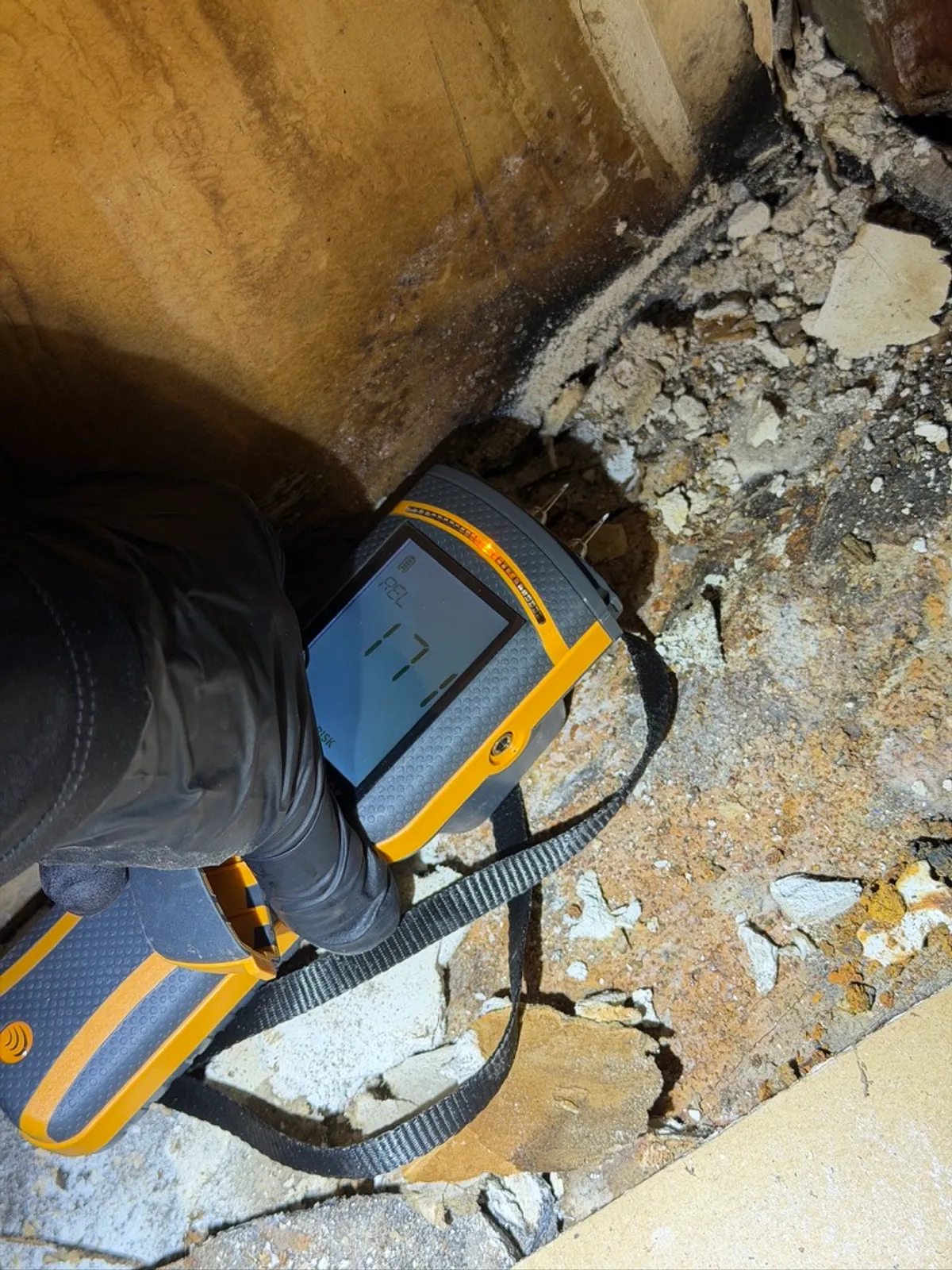
That last point is where an independent tester earns its keep. Spore Shield tests only. We do not perform remediation, so there is no incentive to find a problem that is not there. We use FLIR thermal imaging to spot moisture behind surfaces, a Buck BioAire air sampler to capture what is actually in the air, and Protimeter moisture meters to trace the source, with samples analyzed by a certified third-party AIHA and NVLAP accredited lab. Learn more about our indoor air quality testing and mold inspection and testing services.
The goal is not to scare you. It is to tell you whether you have a hidden moisture or mold problem, where it is, so you can fix the right thing once.
Frequently asked questions
Is all black mold toxic?
Can black mold make you sick?
Can you die from black mold?
Do I need to know what kind of mold it is?
Should I test for black mold?
What should I do if I find mold in my home?
Concerned about mold in your home?
Spore Shield provides independent mold and indoor air quality testing across Metro Detroit and Southeast Michigan. We test, we report, and we leave the decisions to you.
Call (248) 955-2269 or email info@sporeshield.com to schedule.
Test Your Home
Today!
Trusted by Michigan families, Spore Shield delivers fast, accurate mold testing. Pick a time online in minutes.
Book Your Inspection