
The True Cost of Ignoring Mold in Michigan Homes (2026 Breakdown)

Mold in an Oakland or Macomb County home rarely stays small. Michigan's freeze-thaw cycles, saturated spring soils, and tightly sealed winter homes give mold exactly what it needs: moisture, organic material, and time. Most homeowners discover the problem six to twelve months after it started, when the cheap fix is already off the table.
This guide breaks down the real cost of ignoring mold in a Michigan home in 2026 — what happens day by day after a leak, the dollar ranges for the five biggest cost categories, why local housing stock is unusually vulnerable, what the actual health research says, and how a real mold inspection differs from a general home inspection.
How Fast Mold Grows After a Water Leak: A 7-Day Timeline
Mold growth is a building-science process, not a guess. Each stage corresponds to a specific biological event — spore germination, hyphae formation, sporulation, and substrate penetration — and each stage roughly doubles the cost and scope of fixing the problem. The timeline below assumes a typical Michigan basement or bath leak with relative humidity sitting above 60%.
Day 1–2: Moisture sets the stage
Within 24–48 hours of a water intrusion or sustained humidity above roughly 60%, dormant mold spores already present in indoor air begin to germinate on damp organic surfaces like drywall paper, wood framing, carpet padding, and insulation. The EPA notes mold can start growing on wet materials in 24–48 hours.
Day 3–7: Colonies become visible
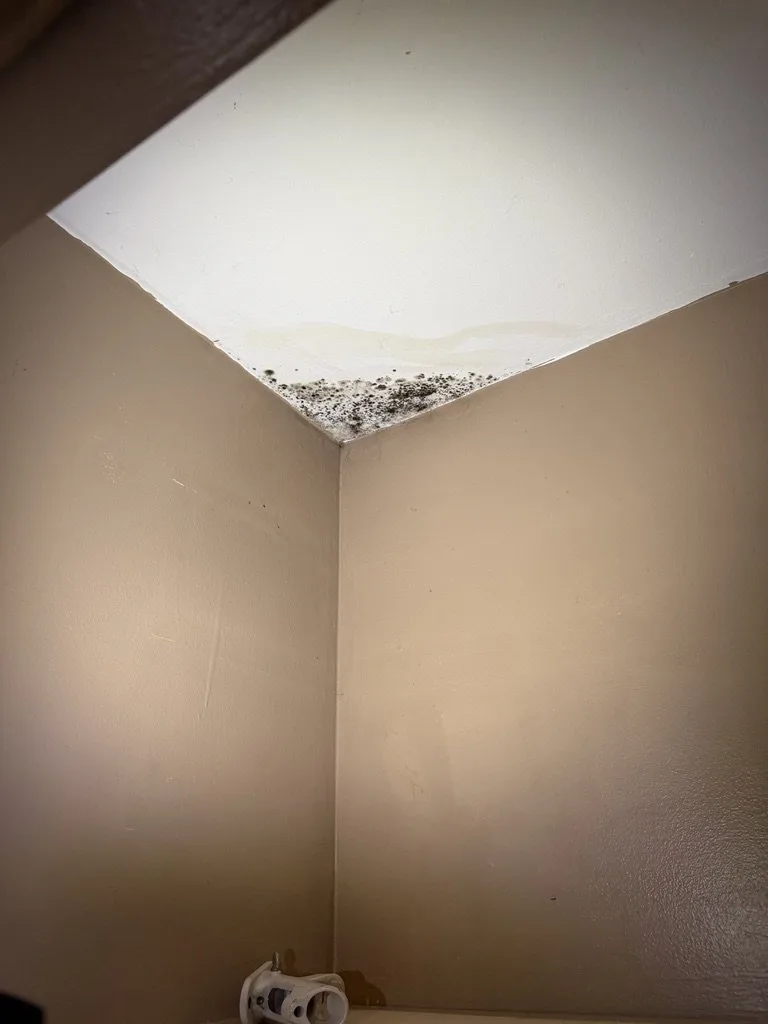
By the end of the first week, hyphae form a visible film. You may see fuzzy patches, dark staining at baseboards, or discoloration spreading along ceiling seams. Spore counts in the affected room rise quickly, which is when most homeowners first notice musty odors or new allergy-like symptoms.
Week 2–4: Spores spread through the home
Active colonies release millions of spores into the air. HVAC return ducts pull contaminated air across the rest of the house, seeding new growth in bathrooms, basements, and closets. Surface cleaning at this point usually fails because the moisture source and the spore reservoir behind the wall are still intact.
Month 2+: Substrate damage and remediation territory
Hyphae penetrate paper, wood, and gypsum, weakening structural materials and making cleaning impossible without removal. Per the IICRC S520 standard, contaminated porous materials at this stage are no longer cleanable and must be removed, dramatically increasing remediation cost and scope.
The takeaway: the cost curve is exponential, not linear. A homeowner who acts in the first week is usually dealing with drying and a small drywall patch. A homeowner who waits two months is typically negotiating multi-room remediation, HVAC cleaning, and a contents protocol.
Not sure if what you're seeing is mold?
Snap a photo and get a free AI analysis in about 60 seconds — no appointment needed.
5 Real Costs of Ignoring Mold in 2026
Below are the five cost categories homeowners most often underestimate. Ranges are drawn from HomeAdvisor and Angi national pricing guides for 2025–2026, IICRC S520 scope conventions, and Michigan-market realities. Every range below is a typical range, not a worst case — outliers in either direction exist.
Add those rows up and a household that ignores a basement leak for one season can easily face $10,000–$40,000 in combined remediation, repair, HVAC, and resale-value cost. The same problem, caught in week one, is usually a $500–$1,500 dry-out plus a drywall patch.
Why Michigan Homes Are Especially Vulnerable
Mold is a national problem, but Oakland and Macomb County housing stock is unusually exposed. Three local conditions stack against homeowners here: persistent basement saturation, freeze-thaw cycles, and tightly sealed homes for six months of the year.
Basement saturation in the freeze-thaw belt
Heavy snow melt in March, spring rain in April, and high water tables across much of southeast Michigan push moisture into foundation walls and slab seams. Homes in West Bloomfield, Bloomfield Hills, and Rochester Hills with finished basements are especially exposed because finished framing, carpet pad, and drywall sit directly against cold foundation walls — a textbook recipe for hidden mold growth behind otherwise dry-looking finishes.
Freeze-thaw cycles open new pathways every winter
Per ASHRAE building-science research, repeated freeze-thaw expansion is the single largest driver of new envelope cracks in Michigan homes. Each winter widens existing roof, flashing, and foundation gaps, and each spring those gaps let in water. This is why homes in Troy, Royal Oak, and Sterling Heights frequently develop attic and basement mold years after passing a clean inspection.
Six months of closed-up homes
From November through April, most Michigan homes — including newer builds in Macomb Township — run sealed for energy efficiency. That dramatically reduces air exchange and lets indoor humidity climb. The EPA recommends keeping indoor relative humidity below 50% to suppress mold; many tightly sealed Michigan homes routinely exceed that without a dehumidifier.
What the Research Actually Says About Mold and Health
Online mold content tends to either dismiss the issue or claim that "toxic black mold" causes every chronic illness imaginable. Neither framing is supported. The actual published evidence — most importantly the WHO 2009 Guidelines for Indoor Air Quality: Dampness and Mould and the Institute of Medicine's 2004 report Damp Indoor Spaces and Health — converges on a narrower, well-documented set of risks.
What is well-documented
Indoor dampness and visible mold are reliably associated with upper respiratory symptoms, cough, wheeze, and worsening of asthma in both children and adults. The CDC mold facts page and the EPA Brief Guide to Mold, Moisture, and Your Home echo this: the public health concern is real, and it is primarily respiratory.
Which species actually matter
Aspergillus and Penicillium species are the most common airborne indoor molds and the ones most likely to drive elevated spore counts in a Michigan home. Stachybotrys chartarum — the species popularly called "toxic black mold" — generally requires sustained water damage on cellulose materials (wet drywall paper, ceiling tiles, cardboard) and is found far less often. The risk profile differs by species, which is why lab speciation matters more than a visual guess.
Who is most affected
Infants, the elderly, pregnant individuals, and anyone with asthma, COPD, or a compromised immune system are the most vulnerable. For these populations, even moderate elevations in airborne spore counts can trigger meaningful symptoms — which is why the WHO recommends avoiding indoor dampness and mold growth as a precaution, not waiting for symptoms to appear.
Why a Home Inspector Isn't Enough
A general home inspector is trained to flag visible defects across the whole house in roughly two to three hours. That is a different job from finding hidden mold and quantifying what is in the air. A proper mold inspection uses specific instruments and methods that almost no general inspector carries — and sends physical samples to a lab that almost no general inspector partners with.
The tools a real mold inspection uses
- FLIR thermal imaging cameras to find hidden cold/wet spots behind drywall without cutting holes.
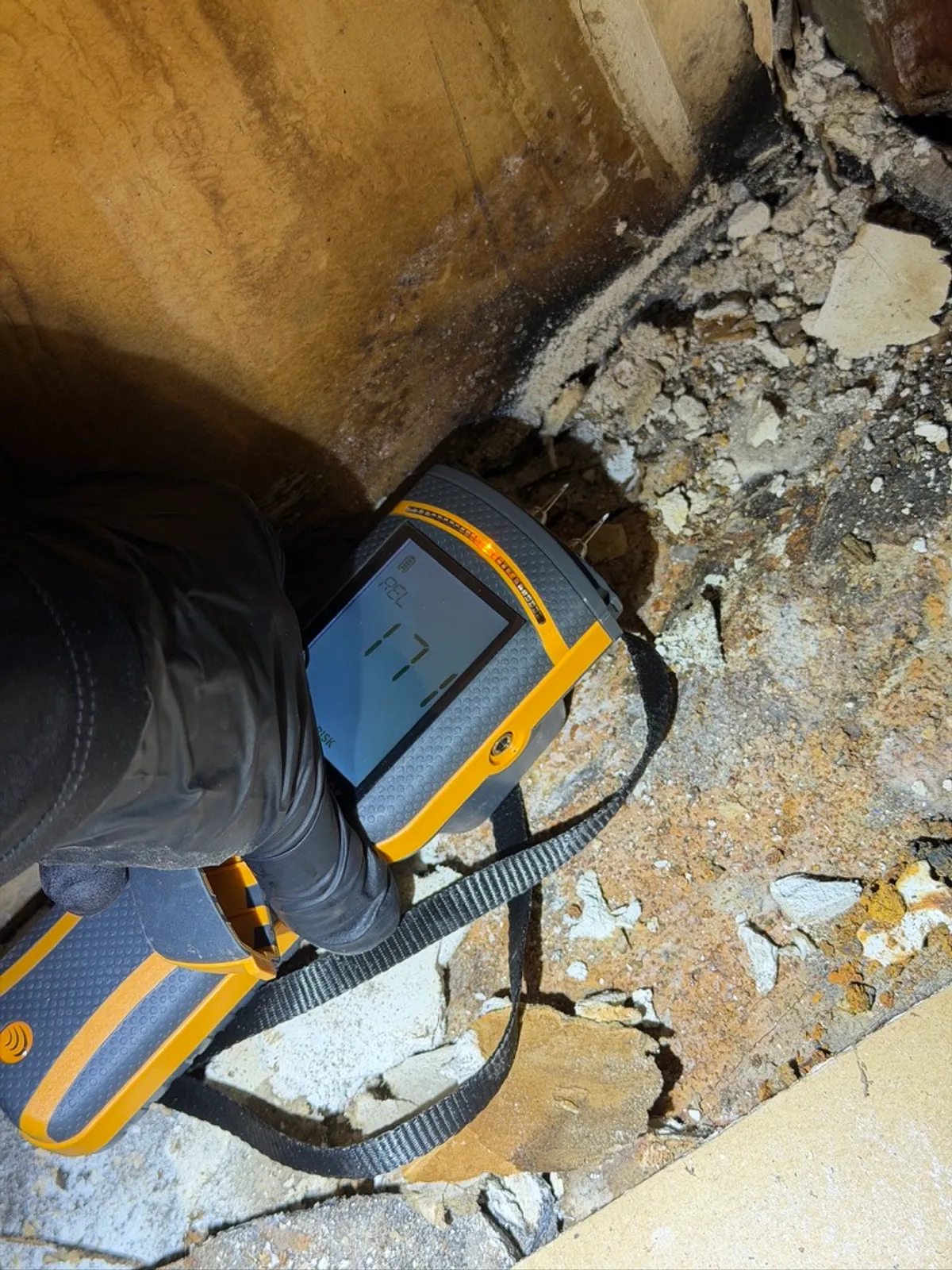
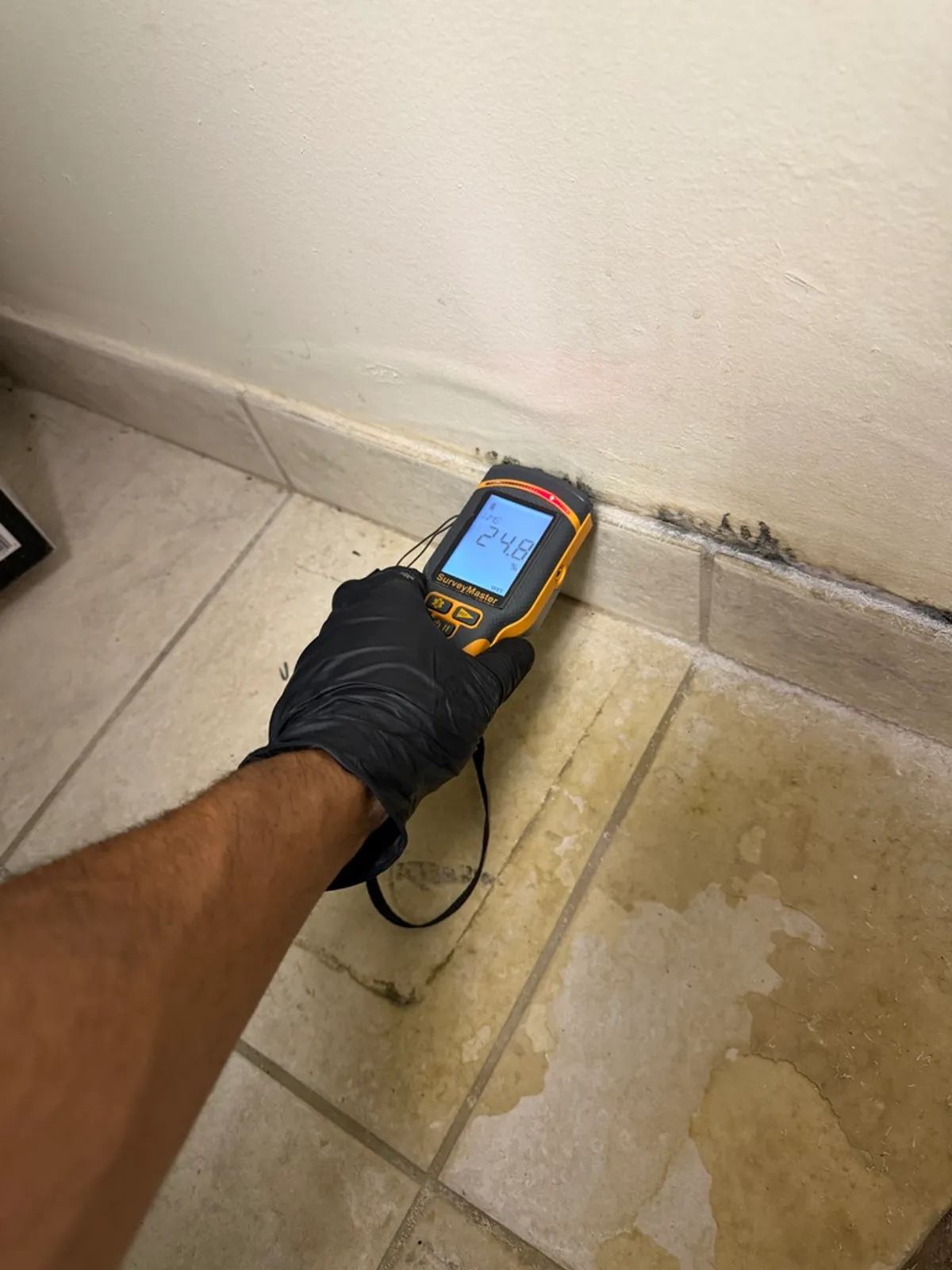
- Calibrated pin and pinless moisture meters to confirm whether suspect materials are actually wet.
- Air-O-Cell cassette pump sampling to capture airborne spores from multiple rooms and an outdoor control.
- Tape lift and swab surface sampling for any visible suspect growth.
- Analysis by a certified third-party AIHA/NVLAP-accredited lab — the only accreditations the EPA and most insurers recognize for environmental microbiology.
For Michigan property owners juggling a portfolio, a real inspection is also what underwrites a defensible disclosure on resale or tenant turnover — which is why most of our property manager partners require a full Air-O-Cell report rather than a visual check.
Test Before You Guess: Independent Mold Inspection in Michigan
If you smell something musty, recently had water intrusion, or are about to list a home in Bloomfield Hills or Troy, the cheapest move is to test first and decide second. We test, we don't remediate — so there's no conflict of interest in the report you receive. If you would rather start with an instant AI estimate from photos, SporeShield AI can give you a first read in minutes, and our Pro Network directory lists vetted remediation contractors if testing confirms a problem.
For a deeper read on what the inspection itself looks like, see our companion guides on early signs of mold in your home and why air quality testing matters for Michigan homes. If anyone in your household is already symptomatic, the health risks of black mold exposure article walks through what the research actually supports.
Frequently Asked Questions
Short, sourced answers to the questions Michigan homeowners most often ask about the cost and risk of ignoring mold.
How much does it really cost to ignore mold in a Michigan home?
How fast does mold actually grow after a water leak?
Is black mold dangerous, or is that overstated?
Why isn't a home inspection enough to find mold?
What does mold inspection cost in Oakland County?
Will ignoring mold hurt my home's resale value?
Test Your Home
Today!
Trusted by Michigan families, Spore Shield delivers fast, accurate mold testing. Pick a time online in minutes.
Book Your Inspection