
Mold in a Home Inspection: A Real Estate Agent's Guide to Keeping Deals on Track
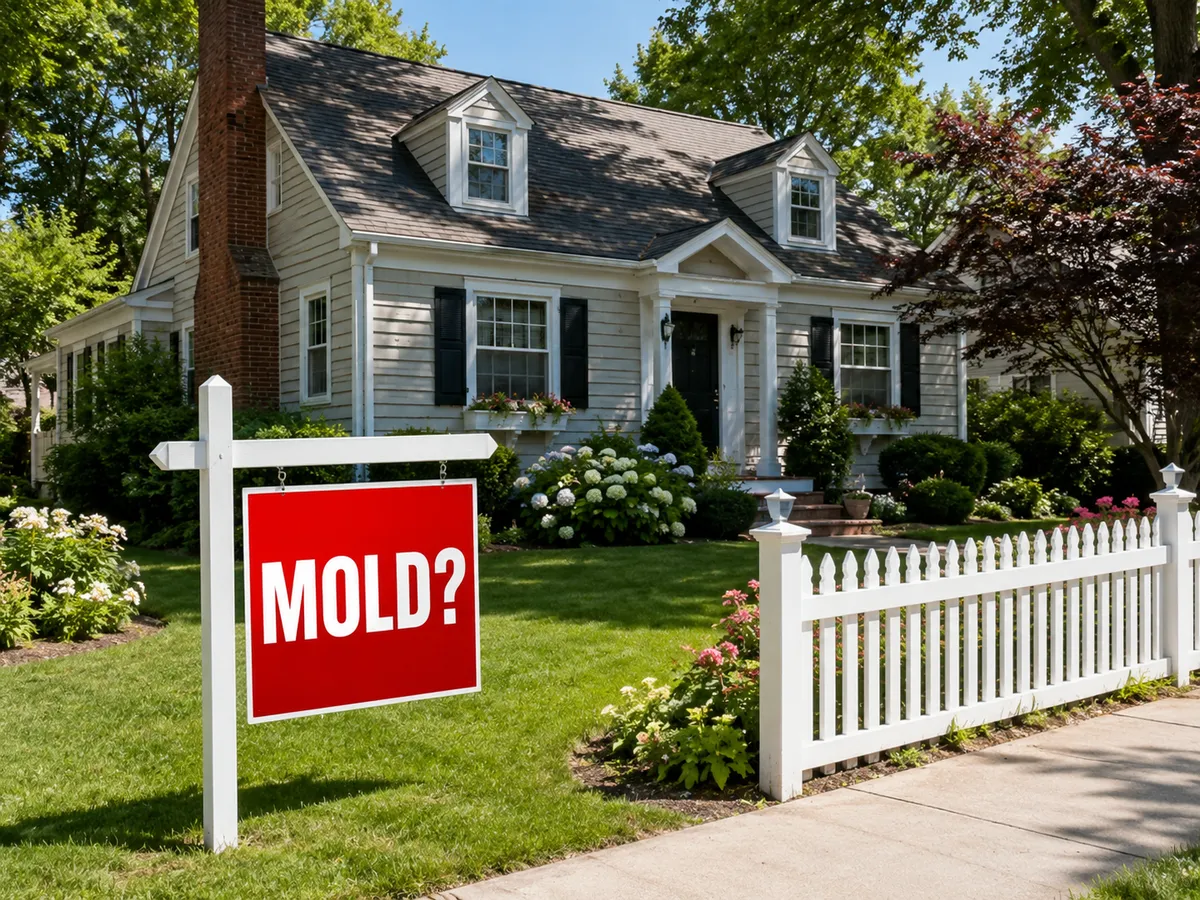
Few words rattle a transaction like "mold." It surfaces in an inspection report, the buyer gets nervous, the seller gets defensive, and a clean deal suddenly feels like it is slipping. Here is the reframe that keeps deals together: mold is not a deal-killer. It is a due diligence item, and when it is handled correctly, it protects your buyer, your seller, and you.
This guide is written for agents. It covers when mold shows up in a pre-purchase inspection, when to recommend testing, how disclosure and liability actually work, and how independent testing moves a transaction toward closing instead of away from it.
Key Takeaways for Agents
- A standard home inspection is visual. Inspectors and appraisers flag suspected mold and moisture, but they do not identify the species or measure spore levels.
- Recommend professional testing when risk factors are present, but do not interpret results, diagnose, or minimize findings. That is not your lane.
- Failure to disclose is the single largest source of errors-and-omissions claims against agents. Document what you know and what you recommend.
- Independent, third-party testing produces a report every party trusts, which is exactly what de-escalates a mold situation and keeps escrow on schedule.
Not sure if what you're seeing is mold?
Snap a photo and get a free AI analysis in about 60 seconds — no appointment needed.
Why Mold Surfaces in a Pre-Purchase Inspection
A standard home inspection is a visual, non-invasive assessment. Inspectors and appraisers are trained to observe and report, not to diagnose mold. When they see staining, notice a musty smell, or spot suspected microbial growth, the professionally correct move is to flag it and recommend evaluation by a qualified specialist. Appraisers commonly note the finding as a condition the appraisal is "subject to," pending further inspection, because they are not mold experts and should not classify it themselves.
In Southeast Michigan, the housing stock makes these flags common. Freeze-thaw cycles stress older foundations every winter, humid summers push HVAC systems hard, and finished basements, a regional staple, can conceal water intrusion behind drywall and flooring. None of that means a home is unsellable. It means the condition needs data, not assumptions.
What a Home Inspection Can and Cannot Tell You About Mold
Understanding the limits of a general inspection helps you set expectations for both sides of the table.
That last row is the important one. Some mold is not visible because it grows behind drywall, under carpet, or inside ductwork, which is why an air sample is needed to detect airborne spores. Our guide on the early signs of mold in your home covers what a visual look can and cannot catch. A visual look raises the question. Only testing answers it.
When Should an Agent Recommend Mold Testing?
Recommend professional testing when the property or the people involved present risk factors. Industry guidance points to a consistent set of triggers:
- Visible growth, staining, or a musty odor noted in the inspection report.
- A history of water damage, leaks, flooding, or prior moisture repairs.
- Finished basements, crawl spaces, or attics where moisture commonly hides.
- An inspection that flags "possible microbial growth" or elevated moisture readings.
- Occupants who are more vulnerable, such as infants, elderly residents, or people with asthma, allergies, or compromised immune systems.
Stay in your lane. Agents can and should recommend qualified professionals and make sure clients have the information to decide. Agents should not interpret test results, diagnose a mold problem, or downplay findings. Put the recommendation in writing, then let the specialists and the client take it from there.
The Part That Protects You: Disclosure and Liability
This is where mold stops being a property issue and becomes a professional one. Attorneys who defend real estate professionals report that the large majority of errors-and-omissions claims come down to a failure to disclose or a concealment of something material about the property. Mold litigation, brought by buyers, tenants, or occupants, frequently alleges exactly that: a known issue that was not disclosed, or moisture that was not addressed.
Michigan's Seller Disclosure Act requires sellers of most residential properties to complete a written Seller's Disclosure Statement covering known conditions, including water intrusion and moisture-related problems. Sellers are commonly expected to disclose prior mold, past water damage, historical flooding, and previous remediation. Your job is to make sure disclosures are completed honestly and that anything you personally know is passed along in full.
A few practices reduce your exposure:
- Recommend testing in writing when risk factors appear, and keep the record.
- Go through the seller's disclosure with them item by item rather than filling it out for them.
- Pass every disclosure you receive to the other side in its entirety.
- Route the diagnosis and the fix to qualified professionals, and keep their documentation in the file.
A note on scope: This article is general information for real estate professionals and is not legal advice. Follow your brokerage's policies and your state's required forms, and consult a licensed real estate attorney for questions about specific disclosure obligations.
How Independent Testing Protects the Deal
When mold enters a transaction, the fastest path to a closing is objective data that everyone believes. That is the case for an independent, testing-only company. Because Spore Shield never performs remediation, there is no incentive to inflate a finding to sell a repair. The result is a report that a buyer, a seller, a lender, an insurer, and an attorney can all rely on, which is what de-escalates the emotion and gets both sides negotiating from the same facts.
Practically, that means:
- A defensible written report backed by a certified third-party AIHA and NVLAP-accredited lab.
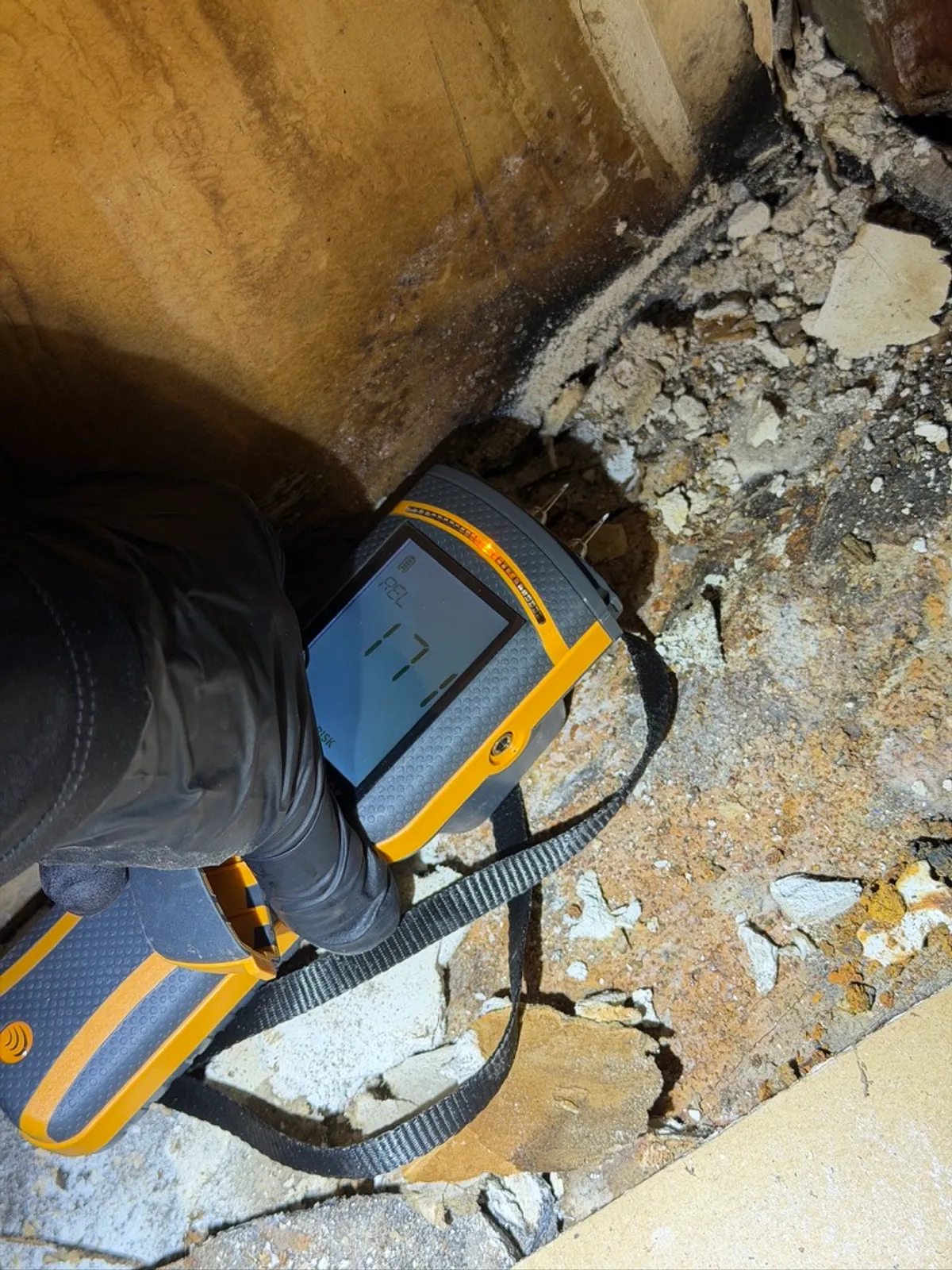
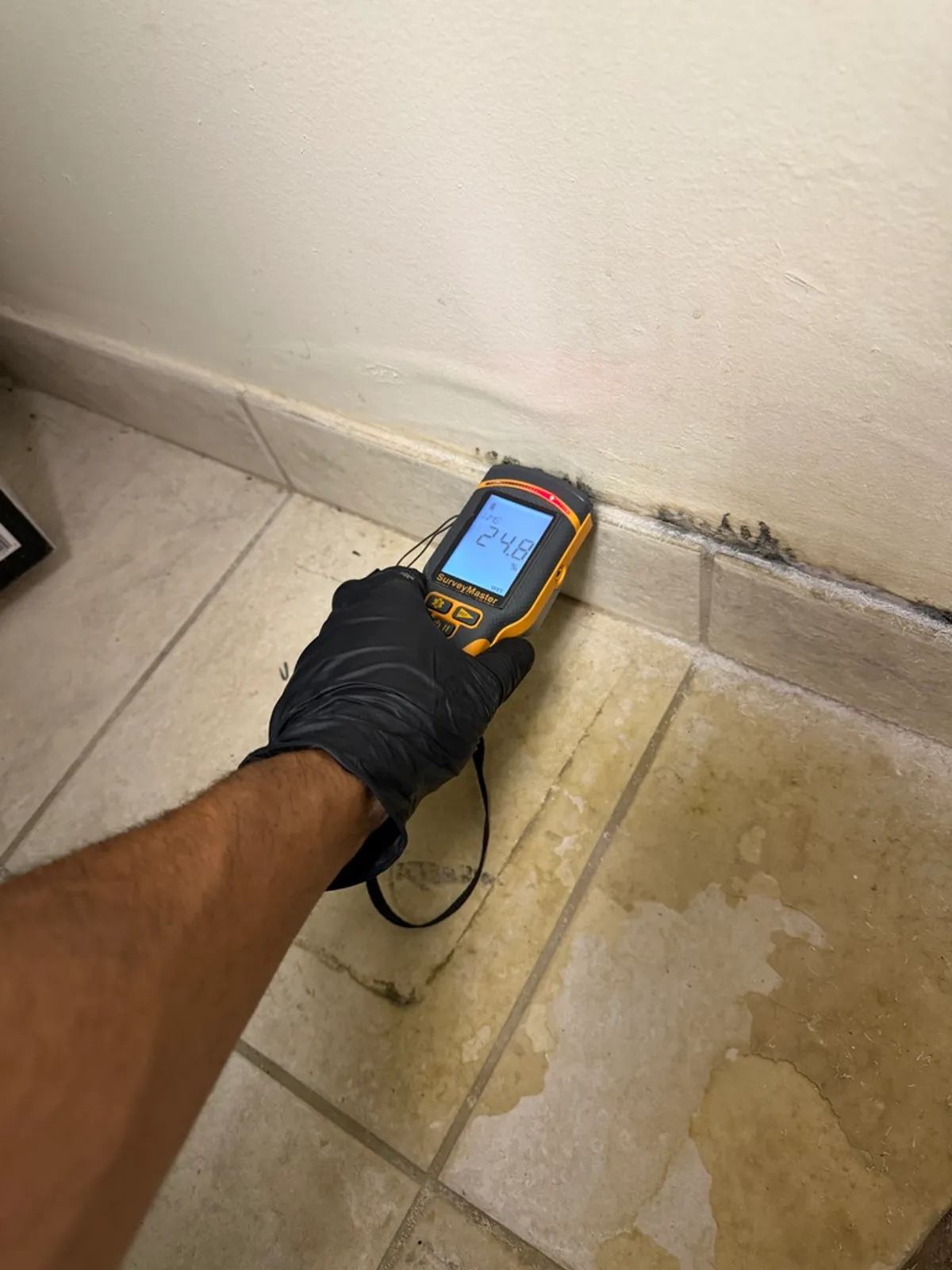
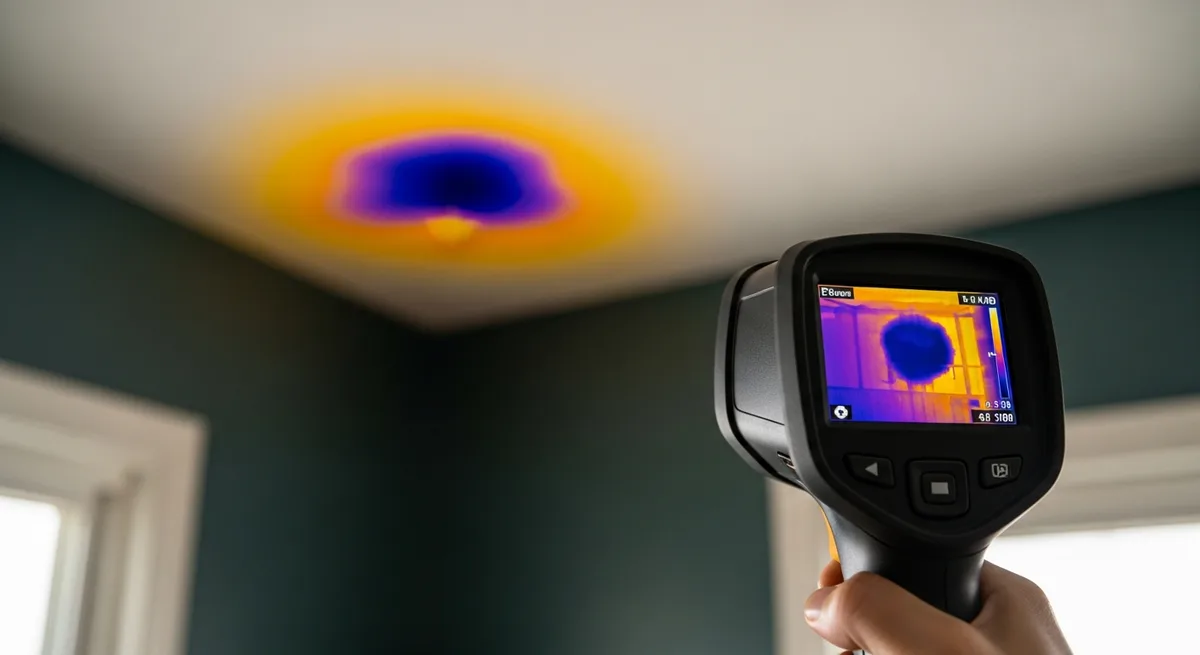
- Moisture mapping and FLIR thermal imaging to locate hidden moisture. Thermal imaging detects moisture, not mold, so it is paired with air sampling.
- Professional air sampling with a Buck BioAire pump, comparing indoor spore levels to an outdoor baseline.
- Standard lab results typically returned within 72 hours, which fits inside most inspection and due diligence windows.
What to Do When Mold Is Found During a Transaction
Have a playbook ready so a finding does not turn into a stall.
- Do not diagnose or reassure prematurely. Avoid calling it "no big deal" or "toxic black mold." Get facts first.
- Order independent testing to confirm whether mold is present, what type, and at what levels, and to map the moisture source.
- If remediation is warranted, use a qualified remediation contractor. Fixing the moisture source is part of the job, per the EPA's mold and moisture guidance.
- Get independent post-remediation clearance testing before closing to verify the work succeeded. A clearance report is issued by a testing company, not the remediator.
- Assemble a documentation packet for the lender and appraiser: the scope of work, invoices, before-and-after photos, and passing clearance results.
Why the packet matters: visible mold can affect loan approval, and FHA and VA appraisals are especially sensitive to health and safety conditions. If an appraiser notes mold as an adverse condition, clearance documentation is usually required before the loan funds. Well-documented remediation with passing clearance tests typically does not significantly lower an appraisal. Missing documentation, unfinished repairs, or an unresolved moisture source are what create problems. Started promptly, testing, remediation, and clearance generally fit inside a standard 30 to 45 day escrow.
The Proactive Move: Pre-Listing Testing for Sellers
Testing is not only a buyer's tool. A seller who tests before listing controls the timeline, controls remediation costs, and can hand a buyer clearance documentation up front. That turns a potential obstacle into evidence of a well-maintained home. For listings with a known moisture history, a finished basement, or an older Birmingham or Bloomfield Hills home, a pre-listing test can be the difference between a smooth close and a renegotiation.
Want a fast, no-cost gut check to share with a client before ordering a full inspection? Spore Shield AI gives an instant mold-risk read in about a minute.
Quick Reference: Mold Red Flags at a Showing or Inspection
- A musty, earthy smell, especially in a basement, crawl space, or near HVAC returns.
- Water stains on ceilings, walls, or around windows and plumbing.
- Visible growth or discoloration on drywall, trim, or around vents.
- Efflorescence, buckled flooring, or peeling paint that suggests moisture.
- A seller disclosure that mentions past leaks, flooding, or a sump pump history.
Any one of these is a reason to recommend a closer look, not a reason to panic. When a buyer client asks why it's worth doing, our plain-English breakdown of the 3 reasons to get a mold test before closing makes the case for them.
Build Mold Testing Into Your Referral Bench
The agents who handle mold smoothly are the ones who already have a trusted, independent tester in their network before they need one. Spore Shield's partner program for real estate professionals gives agents fast scheduling, 72-hour lab results, defensible reports for the transaction file, and preferred partner pricing. For property managers and commercial listings, our commercial mold testing adds the sampling depth and documentation those deals require.
Frequently Asked Questions
Clear answers to the questions Metro Detroit agents ask most about mold in a home inspection.
Does a standard home inspection include mold testing?
Can mold kill a real estate deal?
Should agents recommend mold testing to clients?
Do lenders require mold to be fixed before closing?
Who pays for mold testing in a transaction?
Test Your Home
Today!
Trusted by Michigan families, Spore Shield delivers fast, accurate mold testing. Pick a time online in minutes.
Book Your Inspection